
Love and Neurodivergence: Understanding Relationships Through a Different Lens
Love and Neurodivergence: How ADHD, Anxiety, and Neurodivergent Traits Shape Connection
Love is something we all seek, but how we experience it can be deeply shaped by how our brains are wired. And love isn’t just about romance, it’s in our friendships, our families, the way we connect with others, and, most importantly, the way we love ourselves.
It can be helpful to pause and reflect on how we give and receive love, especially for those of us who think and feel differently.
For people who are neurodivergent, love can feel intense, overwhelming, exhilarating, or even uncertain. ADHD, anxiety, and other neurodivergent traits bring unique challenges and strengths when it comes to connection. So, what does love really feel like when your brain works differently?
Love Through a Neurodivergent Lens
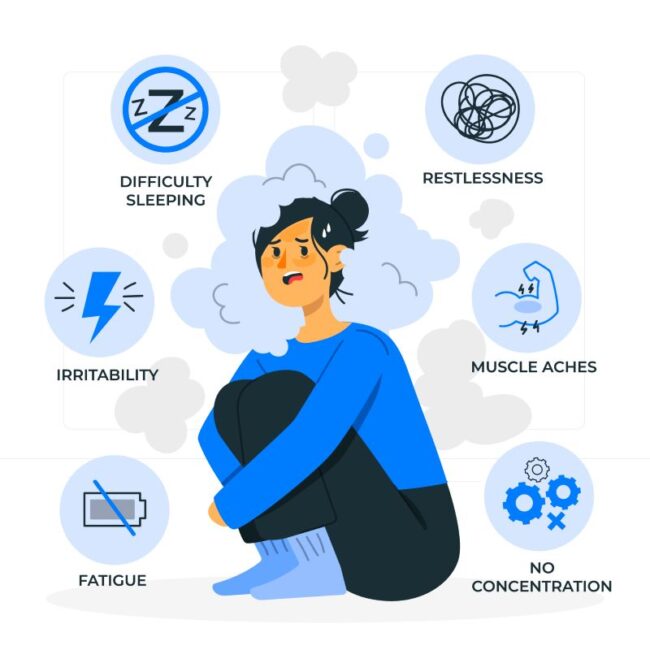
Neurodivergent brains often experience emotions in a heightened way. Love isn’t just a feeling, it can be a full-body experience, a hyperfocus, or even a source of deep anxiety. Some common experiences include:
- Deep Emotional Intensity – Many people who are neurodivergent feel love in extremes. It’s all or nothing. The highs can feel euphoric, but the lows, like miscommunication or perceived rejection, can feel unbearable.
- Rejection Sensitivity Dysphoria (RSD) – A delayed text, a change in tone, or an unexpected shift in plans can trigger a deep fear of being unwanted or unworthy. This can make relationships feel fragile, even when they’re not.
- Hyperfocus on Love – When you have ADHD, falling in love can feel all-consuming. Your brain locks onto the person, replaying conversations, analysing every interaction, and wanting to be around them all the time. Heard of love-bombing? It can feel like that to that recipient at times. It’s not just excitement, it can feel like a deep, urgent focus that’s hard to shift.
- Difficulty regulating emotions – For many people who are neurodivergent, emotions don’t come in small doses. A minor disagreement can feel overwhelming, and it can be hard to pause before reacting. This can lead to impulsive words or actions in the heat of the moment, or the opposite, shutting down completely to avoid feeling too much at once.
These experiences can be overwhelming, but they also come with unique strengths.
People who are Neurodivergent often love deeply, passionately, and with a level of authenticity that can be incredibly rare. If you often find yourself caught in patterns of overthinking or struggling with self-doubt in relationships, small mindset shifts can help. Building self-confidence and breaking negative patterns can make a huge difference in how you experience love and connection.
Love Beyond Romance: Navigating Family and Friendships
Relationships with family and friends can be just as complex as romantic ones, often requiring deep understanding and patience on both sides. For people who are neurodivergent, love and connection might not always fit into traditional expectations. Communication differences, emotional intensity, and sensitivity to rejection can all influence how these relationships unfold.
Rejection sensitivity dysphoria (RSD) can sometimes lead to misinterpreting silence or changes in behaviour as personal rejection, when in fact they may not be. Understanding how these patterns develop can help create healthier, more secure connections.
If you’ve ever felt that friendships or family relationships are harder than they should be, it may help to explore how neurodivergence shapes your understanding of love, attachment, and connection. The more we understand ourselves, the easier it becomes to navigate relationships with clarity rather than self-doubt.

Love, Communication, and Understanding
The key to navigating relationships with a neurodivergent brain isn’t about changing who you are; it’s about understanding how your brain works and finding ways to communicate your needs with clarity and kindness.
Recognising Your Triggers
When rejection sensitivity or emotional intensity makes relationships feel difficult, it can help to pause and notice what’s happening beneath the surface. Understanding the situations that trigger strong reactions allows you to separate feelings from facts and respond with more self-compassion. With practice, this awareness can make space for calmer and more balanced connections.
Developing this awareness is only part of the process. The next step is learning how to soothe your nervous system when emotions feel heightened, so you can return to a sense of steadiness within yourself.
Self-Regulation Tools
Techniques such as deep breathing, grounding exercises, and ADHD-friendly routines can help manage emotional intensity. The calmer and more centred you feel, the easier relationships become.
Explaining Your Needs
Not everyone will instinctively understand how you process emotions or express love. Being open about what helps, whether that’s clear communication, reassurance, or simply time to process, can make a meaningful difference. When your needs are understood, relationships often feel safer, more supportive, and more connected.
A New Season, A New Approach to Love
At any stage in life, the way we experience relationships can evolve. Whether you’re exploring a new connection, healing from past experiences, or learning to build a kinder relationship with yourself, understanding how your brain works can be a powerful step forward.
You can experience love in a way that feels safe, fulfilling, and supportive, whether that’s in romantic relationships, friendships, or the connection you nurture with yourself.
If this resonates with you, you don’t have to navigate it alone. Through counselling and coaching, I can help you understand patterns, build healthier connections, and feel more confident in the way you relate to others.
If ADHD or neurodivergent traits play a part in your experience, you might also like to explore my sister site, The ADHD Coaching Room, where I share ADHD-focused coaching and self-paced courses designed to help you move forward with clarity and self-understanding.
You’re welcome to get in touch or book a free discovery call, I’d love to support you.
.