
Counselling for Anxiety – Support to Feel Calm and in Control

When Anxiety Starts to Affect Your Life

Anxiety can show up in many ways, from constant worry and racing thoughts to physical tension, restlessness, or panic. You might feel on edge for much of the day, struggle to relax, or notice anxiety creeping into your sleep, work, or relationships. When anxiety becomes persistent, it can quietly take over your confidence and sense of ease.

Counselling for anxiety offers a supportive space to explore what’s driving these feelings, understand how anxiety affects you personally, and develop ways to feel calmer and more grounded. Together, we focus on helping you regain a sense of balance, build emotional resilience, and move forward with greater clarity and confidence.

Woman sitting on the edge of a bed with hands clasped

When Anxiety Starts to Feel Overwhelming
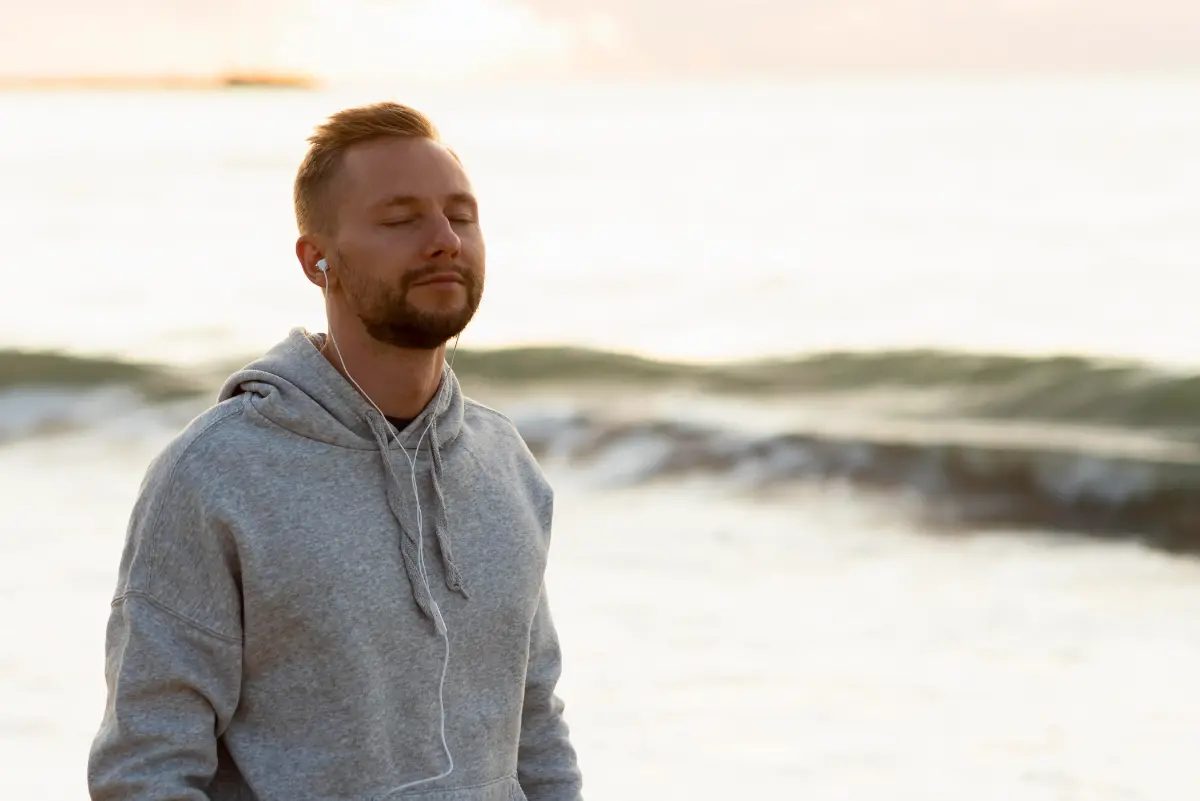
Man standing outdoors by the sea, representing calm and emotional regulation

Anxiety is a natural response to stress and uncertainty, and in small amounts it can help us stay alert or focused. However, when anxiety becomes persistent, intense, or difficult to manage, it can begin to affect your mood, confidence, and everyday life. You might notice constant worry, physical tension, difficulty sleeping, or a sense of being on edge much of the time.

Counselling can help you make sense of these experiences in a supportive, non-judgemental way. Rather than focusing on labels or diagnoses, we explore how anxiety shows up for you and what helps you feel calmer, steadier, and more in control.

How Anxiety Shows Up in the Body

Anxiety doesn’t just affect your thoughts, it’s also felt in the body. When the nervous system is under stress, it can trigger physical reactions designed to protect you, even when there is no immediate danger. These responses can feel unsettling or frightening, especially if you don’t understand why they’re happening.

Experiencing physical symptoms of anxiety doesn’t mean something is wrong with you. It means your body is responding to perceived threat or overwhelm. Counselling can help you understand these responses, reduce fear around physical sensations, and learn ways to feel calmer and more regulated in your body.
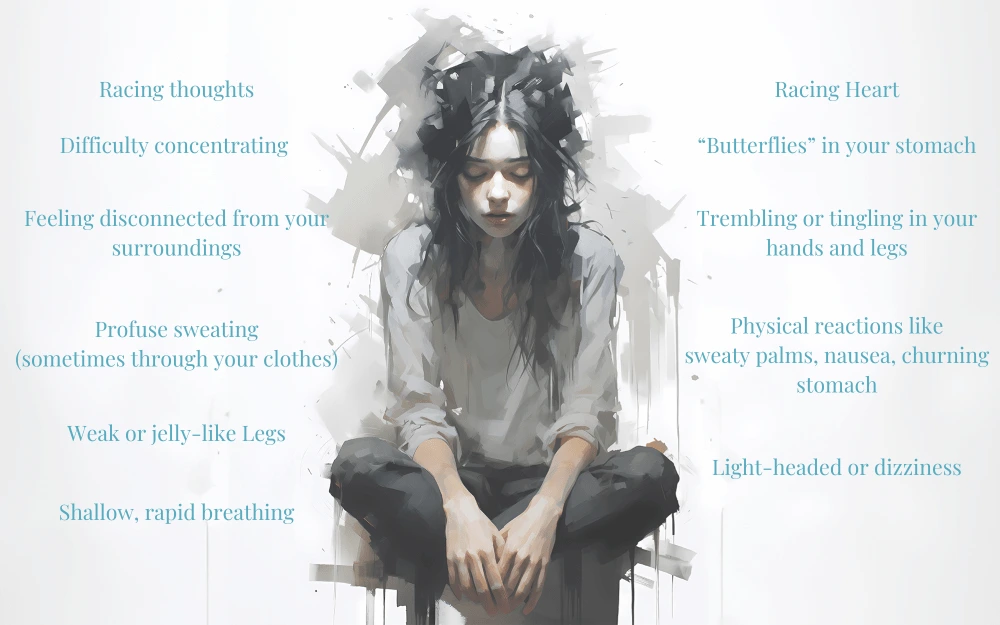

Illustration of an anxious woman with her head down
book a discovery call

Different Ways Anxiety Can Show Up

Some people find that anxiety is closely linked to patterns such as overthinking, emotional sensitivity, difficulty switching off, or feeling easily overwhelmed. These experiences are often discussed in relation to ADHD traits, and for some people they can help make sense of how anxiety shows up in daily life. In counselling, the focus stays on your individual experience of anxiety and what helps you feel calmer, more supported, and better able to cope.

Frequently Asked Questions

How do I know if counselling for anxiety is right for me?

If anxiety is affecting your thoughts, emotions, or day-to-day life in a way that feels hard to manage alone, counselling for anxiety may be helpful. You don’t need to be in crisis or have a clear reason for how you’re feeling. Many people seek counselling because they feel overwhelmed, stuck, or unsure how to regain a sense of balance.

What happens in counselling for anxiety?

Counselling for anxiety offers a calm, confidential space to explore what you’re experiencing. Together, we look at what contributes to your anxiety, how it shows up in your thoughts and body, and what helps you feel more grounded. Sessions are guided by your needs and move at a pace that feels supportive and manageable.

How many counselling sessions will I need?

There’s no fixed timeframe. Some people find a few sessions helpful, while others prefer ongoing support. The length of counselling for anxiety depends on what you’d like to work on and how you want to approach the process. This can be reviewed together as sessions progress.

What if my anxiety feels more physical than emotional?

Anxiety often affects the body as well as the mind. You might notice tension, restlessness, changes in breathing, or other physical sensations. Counselling for anxiety can help you understand these responses and feel more comfortable and reassured when they arise.

How do I get started with counselling for anxiety?

You can get started by getting in touch to ask any questions or arrange a session. Taking the first step can feel daunting, but support is available when you’re ready.

Start with a Free Discovery Call

Counselling and ADHD coaching support for adults across the UK.
A relaxed 20-minute call to explore what support might help.

book your call